
What Does the Future Hold? Top Real Estate Trends to Watch in 2025
- Mar 18, 2025
- 2 min read
As we look forward to 2025, the real estate market is on the brink of major transformations shaped by social, economic, and technological changes. Recognizing these trends will be essential for buyers, sellers, and professionals in the real estate sector. This post delves into the key trends likely to influence the industry in the next few years.
Increased Demand for Sustainable Housing
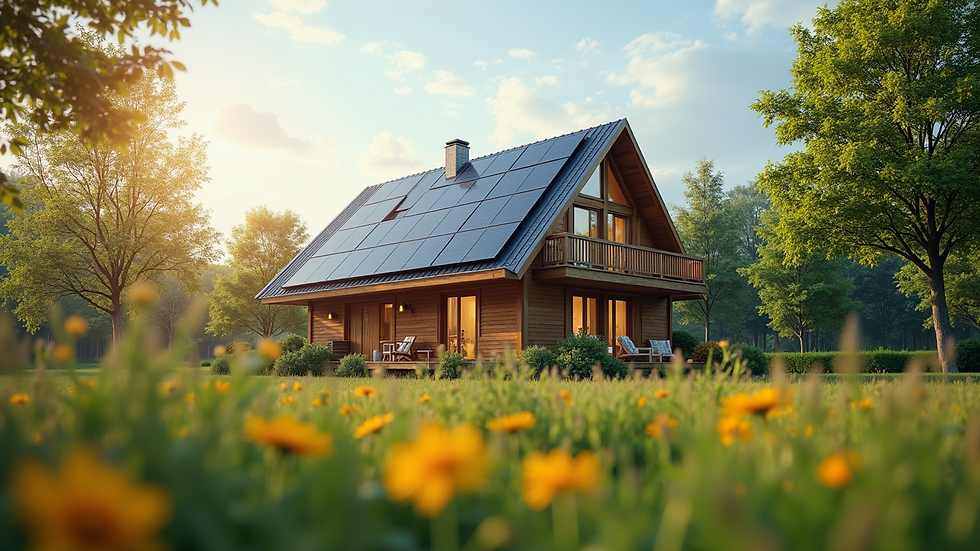
A major trend gaining traction is the demand for sustainable housing. Features like solar panels, energy-efficient appliances, and sustainable materials are transitioning from niche options to basic requirements for many buyers.
For example, a study by the National Association of Realtors found that more than 75% of millennials prefer environmentally friendly homes. Sustainable homes can sell for up to 20% more than traditional homes, representing a significant financial incentive for builders. This focus on eco-friendly living is reshaping how properties are designed and marketed.
Technology Integration in Real Estate Transactions
Advancements in technology are transforming the real estate market, making transactions faster and more efficient. Tools like virtual reality (VR) for home tours and artificial intelligence (AI) in property listings are becoming commonplace.
In fact, according to a 2023 survey, over 80% of buyers found virtual tours helpful in their home search. By allowing potential buyers to explore properties remotely, technology significantly reduces the time and effort involved in the buying process, benefiting both parties.
Urbanization and Remote Work Trends
The pandemic has accelerated urbanization while also shifting work dynamics, giving rise to new housing preferences. People are no longer just flocking to urban centers; many are choosing suburban areas with space for home offices and open-air living.
A report by the U.S. Census Bureau indicated a 25% increase in suburban home purchases since 2020. In response, developers are creating mixed-use communities where residential, commercial, and recreational spaces coexist, catering to the evolving needs of a remote-friendly workforce.
Affordable Housing Initiatives
Housing affordability continues to challenge many regions, prompting renewed interest in affordable housing initiatives. Local governments and non-profits are partnering with developers to create housing options for low to moderate-income families.
For example, the HUD recently reported that nearly 11 million renters paid more than half their income in housing costs. Initiatives aimed at bridging this gap will be crucial for market health and stability as we approach 2025.
The Rise of Smart Homes
The demand for smart home features is on the rise, with technology rapidly becoming an expected part of modern home design. Homeowners are increasingly interested in systems that offer smart security, automated lighting, and energy management.
A study by Coldwell Banker revealed that even 56% of homebuyers would pay more for a smart home. Such features not only improve convenience but can also increase property values, making homes with smart technologies an attractive investment in the marketplace.
Preparing for Change
The real estate landscape in 2025 will be shaped by trends like sustainability, technology adoption, and evolving living preferences. Both buyers and sellers must stay informed about these shifts to make the best decisions in a changing market.
Anticipating these trends will provide valuable insights into investment opportunities and an understanding of the shifting needs of homebuyers and communities in the years ahead.



Comments