
Play-Based Learning

Early childhood is a time of curiosity, imagination, and rapid development. One of the most effective ways young children learn is through play. Play-based learning allows children to explore the world naturally while developing essential skills that prepare them for lifelong learning.

🌈 What is Play-Based Learning?
Play-based learning is an educational approach where children learn through activities they enjoy. Instead of traditional structured lessons, children explore concepts through games, storytelling, building blocks, art, and group interactions. These activities help children develop creativity while learning without pressure.
🧠 Benefits of Learning Through Play
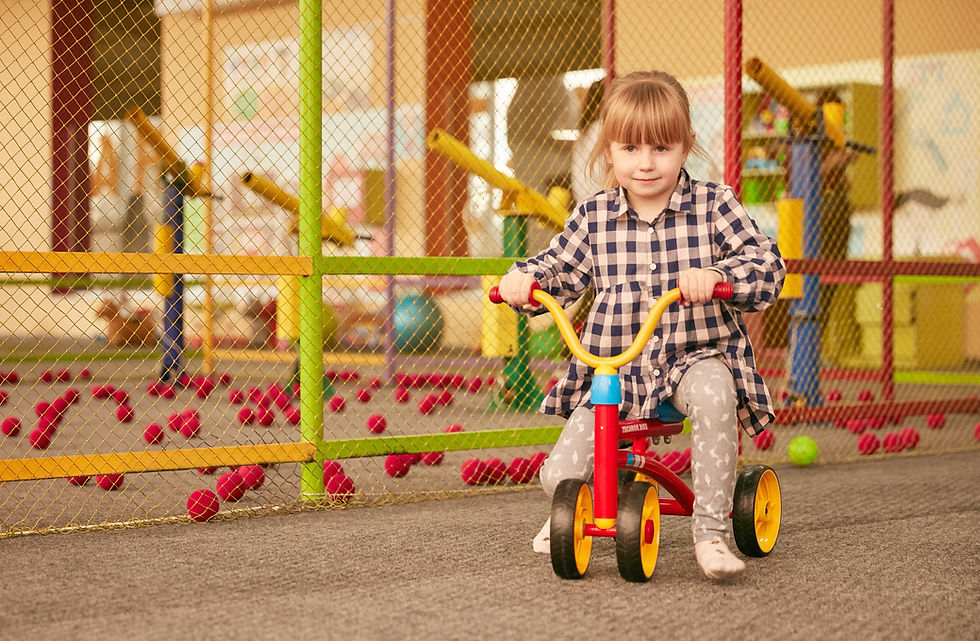
Play helps children develop important cognitive and social skills. When children play together, they learn communication, teamwork, and problem-solving. Activities like puzzles and role-playing encourage thinking skills and imagination. Physical play also improves coordination and overall health.
🤝 Social and Emotional Growth
Play allows children to express emotions, make friends, and understand cooperation. Through pretend play and group activities, they learn patience, empathy, and confidence. This emotional development helps children feel secure and happy in a learning environment.
🏡 How Parents Can Encourage Play at Home
Parents can support play-based learning by giving children time for free play, providing creative toys, and encouraging storytelling or drawing. Even simple activities like cooking together or outdoor play can become meaningful learning experiences.
✨ Final Thoughts
Play is not just fun — it is a powerful learning tool. A playful environment helps children develop confidence, creativity, and a love for learning that lasts a lifetime.



Comments