

Intermodal Freight: Combining Sea, Rail, and Road Effectively
- May 12, 2025
- 2 min read
Updated: May 15, 2025
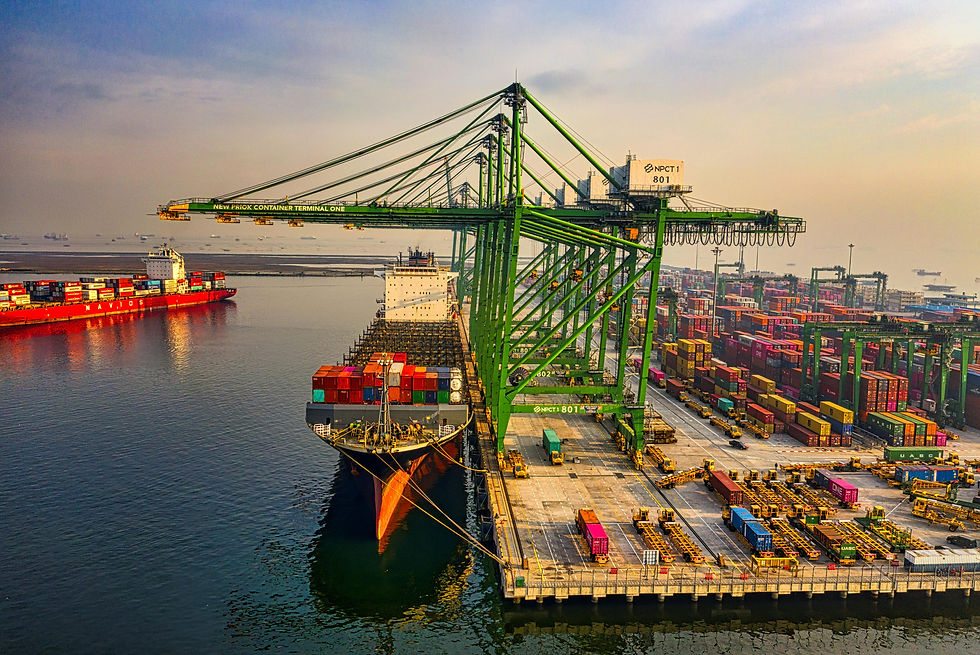
The growing demand for efficiency and sustainability in shipping has led to the rise of intermodal freight, a strategy that combines sea, rail, and road transport into one cohesive logistics solution. By utilizing the strengths of each mode of transportation, businesses can optimize their supply chains and reduce costs. Let’s take a closer look at how intermodal freight is transforming global logistics.
Speed and Cost Efficiency
Combining sea, rail, and road freight allows businesses to select the most efficient routes for their shipments, balancing speed with cost. For example, goods may be transported by sea for long-distance ocean travel, then switched to rail for an efficient overland journey, and finally delivered by road for local distribution. This flexibility ensures that businesses can meet deadlines without incurring excessive costs.
Key Takeaway: Intermodal freight combines the best of all transport modes to optimize speed and cost.
Increased Flexibility and Scalability
Intermodal freight offers unmatched flexibility. Businesses can mix and match modes depending on their specific needs, whether it's the cost of shipping, delivery speed, or cargo type. This adaptability allows companies to scale their logistics operations efficiently, adjusting as demand fluctuates.
Key Takeaway: Intermodal logistics provides flexibility to meet diverse shipping requirements.
Sustainability
By combining different modes of transport, businesses can reduce their environmental impact. Rail and sea transport are much more environmentally friendly than road transport, and by using rail and sea for longer legs of the journey, businesses can cut down on emissions. Intermodal freight strategies focus on optimizing routes, reducing empty miles, and lowering carbon footprints.
Key Takeaway: Intermodal freight supports sustainability by reducing emissions and optimizing routes.
"The power of intermodal freight lies in its versatility — optimizing time, cost, and environmental impact through a seamless blend of transport modes."
Conclusion:
Intermodal freight is a game-changer in the logistics industry, allowing businesses to reduce costs, increase flexibility, and promote sustainability. As companies strive for more efficient and eco-friendly solutions, intermodal strategies will play a key role in shaping the future of global trade.


Comments