

Innovative Strategies for Cutting Last-Mile Delivery Expenses through Smart Logistics Solutions
- indu980
- May 19, 2025
- 4 min read

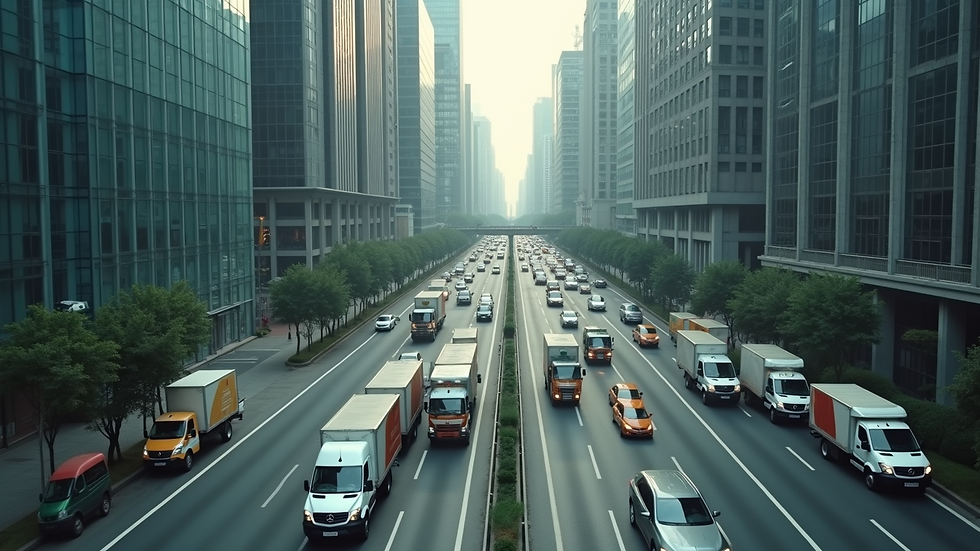
In today’s fast-paced world, last-mile delivery can be a real challenge for businesses. With e-commerce growing rapidly, customers expect their orders to arrive quickly and efficiently. But fulfilling these demands can lead to escalating costs. In fact, last-mile delivery accounts for approximately 53% of total shipping costs. To tackle these challenges, companies must embrace innovative logistics solutions that can help cut expenses while still meeting customer expectations.
Understanding last-mile delivery dynamics is critical. This phase, typically the most expensive part of the delivery process, is affected by urbanization, higher consumer expectations for speed, and complicated navigation in busy areas. By using innovative strategies and smart logistics tools, businesses can reduce costs and increase both efficiency and customer satisfaction.
The Role of Technology in Smart Logistics
Technology is transforming last-mile delivery processes. It's vital for businesses to adopt tools that enhance efficiency. One effective solution is route optimization software.
These tools use algorithms to analyze factors such as traffic patterns, weather updates, and historical delivery data to create the best delivery routes. For example, companies like UPS have reported a 10% reduction in fuel consumption by optimizing their delivery routes. Shorter travel times not only cut costs but also improve delivery speed, allowing businesses to meet customer demands more efficiently.
Additionally, real-time tracking systems play a key role. By equipping delivery vehicles with GPS tracking technology, businesses can provide customers with accurate delivery time estimates and live updates. This transparency leads to higher customer satisfaction rates. Studies show that 70% of customers prefer companies that offer real-time tracking.
Employing Data Analysis for Better Decision-Making
Data analysis is vital in making more informed decisions about last-mile delivery. By utilizing big data, companies can better understand customer behaviors and identify shipping trends. This insight allows businesses to manage inventory more effectively by placing products closer to consumers.
For example, a retailer could look at purchasing patterns to position their stock within a two-mile radius of high-demand areas. This strategy can reduce delivery distances by as much as 30%, significantly lowering transportation expenses. Moreover, tracking performance metrics allows businesses to pinpoint inefficiencies, enabling them to allocate resources more effectively for cost savings.
Adopting Alternative Delivery Models
Exploring new delivery models can further reduce last-mile expenses. Crowdsourced delivery, where everyday individuals deliver packages, is a cost-effective alternative to traditional courier services. Companies like DoorDash have successfully utilized this model, achieving delivery savings up to 20% compared to conventional options. It also capitalizes on local knowledge for faster deliveries.
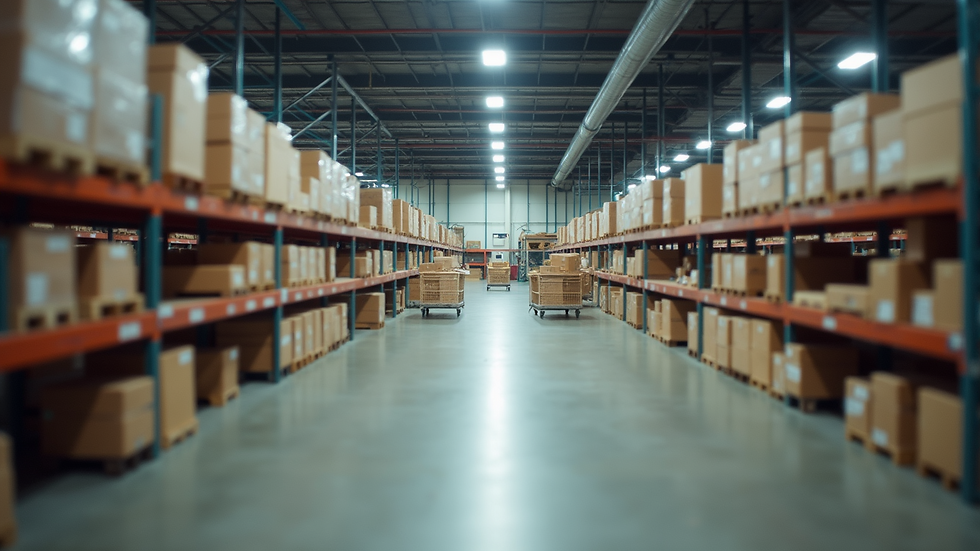
Another efficient approach is setting up micro-fulfillment centers closer to urban areas. These centers allow businesses to keep inventory nearby, translating to quicker turnaround times and reduced shipment costs. A report found that micro-fulfillment centers can decrease delivery times by 50%, helping companies meet customer demands more effectively.
Collaborating with Local Partners
Forming partnerships with local logistics providers can greatly enhance efficiency and reduce costs. Working with regional courier services allows companies to leverage established networks without the need to maintain a full fleet of their own delivery vehicles. This collaborative approach can be especially beneficial in congested urban areas, where resource sharing can lower operational costs and streamline deliveries.
Additionally, local partnerships strengthen community ties and improve brand loyalty. For example, companies like Instacart have utilized local grocers for delivery, enhancing their service while keeping costs manageable.
Leveraging Automation and Robotics
The rise of automation is reshaping the logistics landscape. Drones and autonomous vehicles provide scalable solutions for last-mile delivery. These technologies can navigate congested or remote areas, where traditional delivery methods might struggle.
While the upfront cost of drones and automated vehicles can be high, the potential savings in labor and time often justify the investment. For instance, companies deploying drones for delivery have reduced costs by approximately 30% over traditional methods. As automation continues to evolve, it holds great promise for further lowering last-mile delivery expenses.
Embracing Sustainable Practices
Sustainability is becoming increasingly important for consumers, which makes it critical for businesses to adopt eco-friendly delivery methods. Electric vehicles (EVs) are an excellent way to cut down on emissions, benefiting both the environment and operational costs.
In cities, using bike couriers can also minimize congestion while promoting green initiatives. Research indicates that companies taking sustainable approaches may see a 50% increase in customer engagement. By prioritizing environmentally friendly methods, businesses can enhance their brand’s reputation and appeal to conscious consumers.

Concluding Thoughts
The challenges of last-mile delivery in modern markets can be daunting. However, with the right smart logistics strategies, companies can effectively lower costs while improving service.
Integrating technology, leveraging data, exploring alternative delivery models, collaborating with local partners, embracing automation, and committing to sustainability all contribute to a more efficient last-mile delivery process. Businesses that adopt these strategies will not only gain a competitive edge but also reshape what customers expect from delivery services.
As we move forward, embracing smart logistics is essential for enhancing efficiency and fostering a sustainable future in the logistics sector. The path to reducing last-mile delivery expenses is well-defined: harness technology, build partnerships, and always seek innovative solutions.


Comments