
7 Sustainable Interior Design Tips for Creating an Eco-Friendly Home
- Feb 28, 2025
- 3 min read
Building a home that is kind to the planet is not just a trend; it’s an essential step toward a sustainable future. With climate change and environmental challenges on the rise, many homeowners are eager to make more eco-friendly choices. Sustainable interior design is all about using materials and practices that minimize waste, boost energy efficiency, and improve the well-being of the inhabitants. Here are seven practical tips to guide you in creating a more sustainable living space.
1. Choose Sustainable Materials
The choice of materials is crucial for eco-friendly design. Opt for products that are renewable, recycled, or upcycled. For instance, bamboo is a fast-growing plant that serves as a durable flooring option. Reclaimed wood can be transformed into beautiful furniture or wall accents, preserving history while reducing waste. Additionally, recycled metals can be used for light fixtures, adding a modern touch without harming the environment. A survey revealed that using sustainable materials can reduce greenhouse gas emissions by about 30% compared to traditional options.
2. Use Non-Toxic Paints
Conventional paints often contain harmful chemicals that can affect indoor air quality. Look for low-VOC (volatile organic compounds) or zero-VOC paints, which are safer choices. Brands like Benjamin Moore's Natura series or Sherwin-Williams’ Harmony line offer a variety of colors while ensuring better air quality. Studies show that switching to low-VOC paints can improve indoor air quality by up to 50%, making your home healthier.
3. Minimize Waste
A significant step toward sustainability is minimizing waste, especially during renovations. Instead of discarding old furniture, consider upcycling it into something new. For example, an old dresser can be turned into a stylish bathroom vanity with some paint and new hardware. Additionally, furniture swaps with friends can give you a fresh look without purchasing new items. In doing so, you can help divert approximately 60% of household waste from landfills.
4. Incorporate Energy-Efficient Lighting
Switching to LED bulbs and energy-efficient fixtures is a simple yet effective way to cut down on electricity usage. Regular incandescent bulbs use around 90% more energy than LEDs. To maximize natural light, consider installing larger windows or skylights. Research shows that homes with ample natural light use up to 50% less artificial lighting, leading to lower energy bills and a brighter living atmosphere.
5. Utilize Natural Textiles
When selecting fabrics for your home, prioritize textiles made from natural fibers like organic cotton, linen, and hemp. These materials are biodegradable and often require fewer pesticides during production. For example, opting for natural cotton curtains instead of synthetic materials can lead to a healthier indoor environment. Substituting typical synthetic fabrics with natural options can also reduce your carbon footprint by an estimated 20%.
6. Focus on Indoor Plants
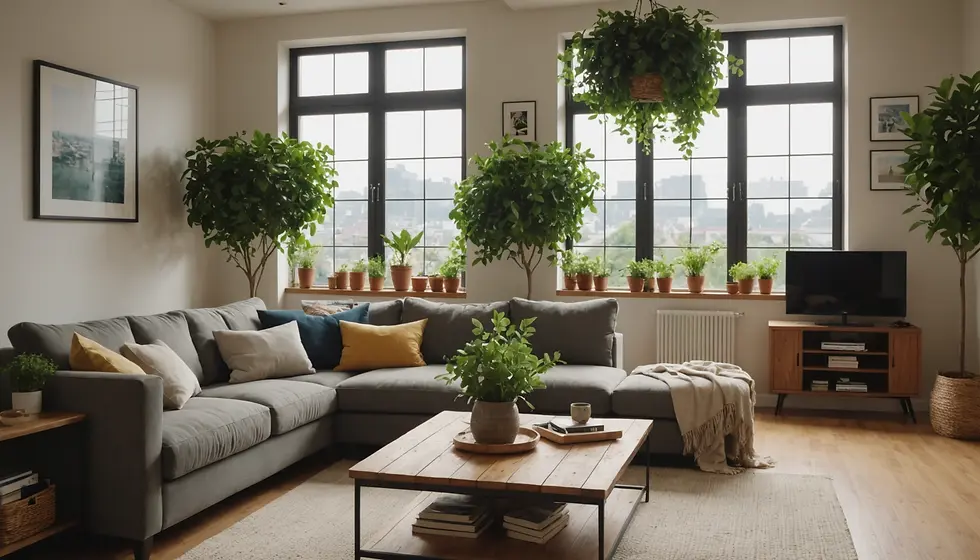
Integrating indoor plants into your home design can significantly enhance air quality and aesthetic appeal. Plants like snake plants and peace lilies are known for their air-purifying qualities. A study conducted by NASA found that certain indoor plants can remove up to 87% of indoor air toxins in 24 hours. By adding greenery, you're not just beautifying your space; you are also creating a healthier living environment.
7. Invest in Energy-Efficient Appliances
When it comes to upgrading home appliances, consider those with the Energy Star rating. These appliances are designed to use less energy and water compared to conventional models. Although the initial investment may be higher, Energy Star appliances can lead to savings of over 30% on energy bills annually. A smart refrigerator or washing machine might save families approximately 350 kWh of electricity a year.
By taking these actionable steps toward a sustainable interior design, you contribute to a healthier planet. The journey to creating an eco-friendly home may seem challenging, but remember that every small effort counts. Whether you tackle one idea at a time or embrace them all, you are making a positive impact on the environment for future generations.
Make informed decisions today to help shape a better tomorrow. Happy designing!


Comments