
Uncover the Secrets: 15 Sustainable Interior Design Ideas for Your Home
- Feb 28, 2025
- 4 min read
Thinking about creating a sustainable home? You’re not alone. People worldwide are making conscious choices that not only benefit the environment but also enhance their living spaces. Sustainable interior design combines eco-friendly materials with energy-efficient practices to create homes that are both beautiful and healthier for everyone.
Here are 15 effective sustainable interior design ideas that can help you transform your space into a green haven.
1. Upcycled Furniture
Incorporate upcycled furniture into your home. This approach reduces waste and adds unique character to your décor. For example, a vintage dresser can be refurbished with a fresh coat of paint and new hardware, turning it into a stylish focal point. Check local artisans or thrift stores for one-of-a-kind pieces that can match your style.
2. Natural Materials
Using materials like wood, bamboo, and stone brings an organic feel indoors. For instance, bamboo flooring is a popular choice because it is durable and represents a fast-growing resource, while reclaimed wood can create stunning accent walls or shelves. These materials not only please the eye but also take less energy to process compared to synthetic alternatives.
3. Energy-Efficient Lighting
Switch to energy-efficient LED lighting. LED bulbs can consume up to 75% less energy and last 25 times longer than traditional incandescent bulbs. Imagine the savings on your energy bill while enjoying bright, beautiful lighting throughout your space.
4. Eco-Friendly Paints
Choose non-toxic, low-VOC paints for a fresh look in your home. These paints release fewer harmful chemicals, providing a healthier indoor atmosphere. Brands like Benjamin Moore and Sherwin-Williams offer eco-friendly options that allow you to refresh your space without compromising health.
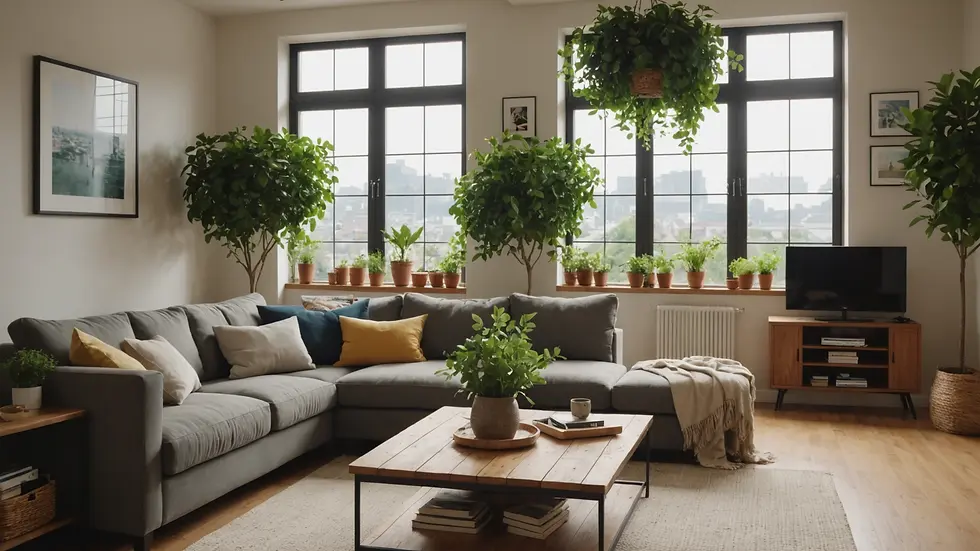
5. Indoor Plants
Introduce indoor plants to enhance air quality and promote a sense of calm. For instance, a single peace lily can filter out harmful toxins and thrive in low-light conditions. Snake plants, also known as mother-in-law’s tongue, convert CO2 into oxygen at night, making them perfect for bedrooms.
6. Sustainable Fabrics
Opt for sustainable fabrics such as organic cotton, linen, or hemp for your textiles. These materials avoid harmful chemicals during production and are often biodegradable. For example, organic cotton sheets can significantly reduce allergy symptoms and are better for the environment.
7. Water-Wise Fixtures
Install water-efficient fixtures like low-flow faucets and dual-flush toilets. These simple upgrades can reduce water usage by 30% or more and maintain performance, saving you on water bills while conserving this precious resource.
8. Reclaimed Wood Accents
Utilize reclaimed wood for elements like furniture or decorative accents. This practice repurposes materials that would otherwise be wasted and adds a rustic touch to your home. A reclaimed wood coffee table can be a stunning conversation starter in any living room.
9. Smart Home Technology
Integrate smart technology to boost energy efficiency. Smart thermostats can save you up to 10-15% on heating and cooling costs by learning your schedule and automatically adjusting. Smart bulbs also allow you to control lighting intensity, even when you’re away from home.
10. Natural Rugs
Choose rugs made from natural fibers like jute or wool. These materials not only add warmth and texture but are also free from harmful synthetic chemicals. For instance, a jute rug not only complements a variety of decor styles but is also completely biodegradable.
11. Minimalist Design
Embrace a minimalist approach by keeping only what you truly need. This reduces clutter and promotes sustainability, leading to a serene and organized environment. Consider adopting fewer, high-quality pieces instead of filling your space with many items that go unused.
12. Low-Impact Flooring
Explore eco-friendly flooring options such as cork, linoleum, or sustainably sourced hardwood. Cork tiles, for example, are harvested without harming trees and provide excellent insulation, reducing your energy needs over time.
13. Incorporate Solar Panels
Consider adding solar panels to your roof. Investing in this renewable energy source can cut your electricity bills significantly. Homeowners who switch to solar can save an average of about $1,500 per year, depending on energy consumption.
14. Biophilic Design
Infuse biophilic design into your home, connecting your indoor spaces with nature. This can be achieved with large windows that offer natural light and views, as well as textures and colors that reflect the outdoors. A well-placed window can transform a room, making it feel larger and more vibrant.
15. Local Art and Crafts
Support local artisans by decorating your home with their unique creations. This not only strengthens the community but also ensures your space includes items that carry personal significance. For example, a handmade ceramic vase can serve as a piece of art while holding fresh flowers.
Your Path to a Sustainable Home
Implementing these 15 sustainable interior design ideas can turn your home into an eco-friendly sanctuary. By prioritizing materials, conserving resources, and supporting local creators, you're making a positive impact on the planet and your living space. Remember, sustainable design is more than a trend; it’s a commitment to a healthier lifestyle and future. Start with one or two changes, and watch your home evolve into a model of sustainability.


Comments