

The Unseen Advantages of Steel Frames in Modern Construction
- indu980
- May 9, 2025
- 3 min read

In today’s world of construction, the materials we choose can significantly affect a project's efficiency, durability, and aesthetics. Among these materials, steel frames have quickly become a top choice for many builders and developers. This blog post explores the numerous benefits of using steel frames and illustrates how they have changed the construction landscape.
Enhanced Durability and Strength
Steel frames are well-known for their strength-to-weight ratio. In fact, steel can carry loads that are up to 50% higher than traditional materials such as wood or concrete. This ability to bear significant weight means that buildings maintain their integrity, even during harsh weather conditions or seismic events. For example, structures in earthquake-prone areas often use steel frames to ensure safety and stability.
Additionally, steel is resistant to issues like pests, corrosion, and warping—common problems that can affect wood and concrete over time. According to the Steel Construction Institute, steel structures can last over 100 years with minimal maintenance. By reducing the need for repairs and replacements, property owners save money in the long run.
Faster Construction Time
Speed is one of the standout advantages of using steel frames. Unlike traditional building materials that require significant time for curing and drying, steel components can be prefabricated in a factory. Once on-site, these parts can be assembled quickly. Studies show that projects utilizing steel frames can be completed up to 30% faster than those built with conventional materials.
This rapid assembly can have financial benefits as well. By reducing construction time, contractors lower labor costs and can meet tight deadlines more easily. For developers, this speed can translate directly into earlier occupancy and increased revenue potential.
Design Flexibility
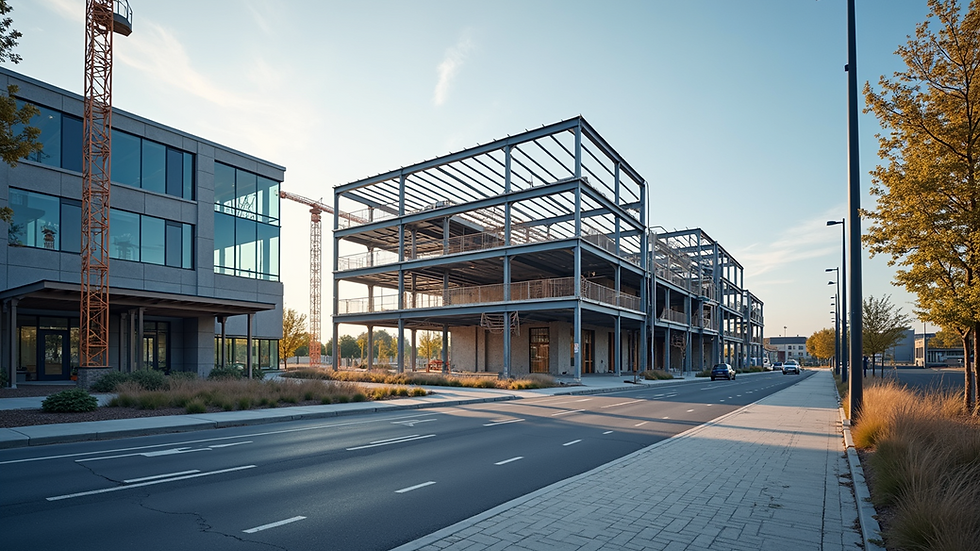
Steel frames allow for remarkable design flexibility. With the capability to create larger spans and open floor plans, architects can explore modern styles that were challenging with traditional materials. For instance, large commercial spaces can achieve expansive windows and open layouts, enhancing natural light and creating inviting working environments.
A notable example is the California Academy of Sciences building, which features a steel frame design that supports a vast array of eco-friendly elements, resulting in both aesthetic appeal and practical functionality. Such flexibility not only helps with creativity but also meets the evolving needs of modern buildings, whether residential or commercial.
Eco-Friendly Options
Sustainability is an important concern in the construction industry today, and steel frames excel as an eco-friendly option. Steel is 100% recyclable and can be reused without losing its quality. This feature plays a significant role in reducing landfill waste.
Moreover, many steel manufacturers prioritize sustainability by using recycled materials in production. By choosing steel frames, builders can easily align their projects with green building standards, such as LEED certification, promoting a more sustainable future.
Cost-Effectiveness
While the initial investment for steel frames may be higher compared to wood or concrete, the long-term benefits justify this expense. A study from the National Institute of Standards and Technology found that buildings made with steel can save up to 30% in maintenance costs over their lifetime. This includes benefits like lower insurance premiums due to fire resistance and fewer repairs needed.
As labor and material costs continue to rise, opting for steel frames can help projects stay within budget while maintaining high standards. For developers, this cost-effectiveness is a key factor in decision-making.
Enhanced Safety
Safety is a crucial concern on construction sites. Steel frames contribute to improved safety thanks to their fire-resistant properties, which help prevent accidents and enhance working conditions. Buildings framed with steel can often achieve fire ratings of up to three hours, offering significant protection compared to traditional materials.
Additionally, because steel components are prefabricated off-site, quality control is more stringent. This leads to fewer errors during assembly, further promoting safety in construction and the final structure.
The Future of Construction
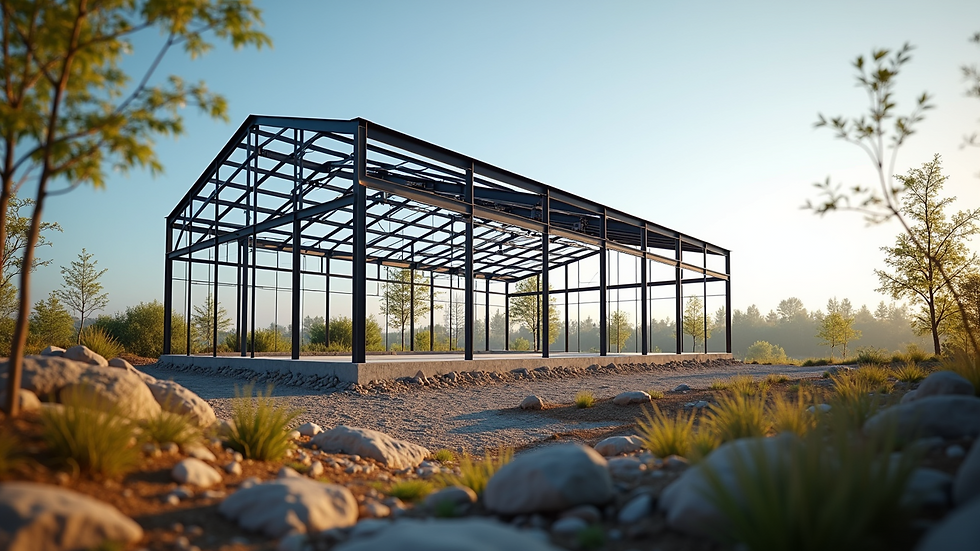
The versatility of steel frames makes them a powerful choice for modern construction. From enhanced durability and faster build times to design flexibility, eco-friendliness, cost-effectiveness, and improved safety, the benefits are clear. As the construction industry continues to prioritize innovation and sustainability, steel frames are likely to play a central role in shaping the future of building.
For builders and developers staying ahead of the curve, incorporating steel frames into their projects will not only deliver essential performance benefits but also align with emerging trends in environmental responsibility.
In a world that values both innovation and sustainability, the move towards steel frames isn't just a trend. It’s a strategic choice that addresses today’s challenges in construction and positions builders for success in the years to come.

Comments