

Unveiling the Hidden Potential of Sustainability in Modern Construction Strategies
- indu980
- May 9, 2025
- 4 min read

The construction industry is experiencing a major shift driven by the urgent need for sustainable practices. With climate change, resource depletion, and environmental degradation becoming critical challenges, construction methods are under intense scrutiny. Sustainability in construction transcends merely reducing waste; it requires a holistic approach to managing resources, enhancing energy efficiency, and considering the long-term impact of building processes. This article dives into the vital role of sustainability in contemporary construction strategies, highlighting its benefits and the transformative potential it holds for our built environment.
The Significance of Sustainable Construction
Sustainable construction involves implementing processes that are environmentally friendly, economically viable, and socially responsible. This approach is aimed not only at minimizing the adverse effects of construction activities but also at improving the quality of life for both current and future generations. For example, buildings designed with sustainability in mind can potentially reduce operational energy consumption by up to 40%, as highlighted by studies from the World Green Building Council.
The construction sector currently contributes over 39% of global carbon emissions. As such, adopting sustainable practices is vital for reducing emissions and fostering a healthier planet.

Energy Efficiency: A Key Focus
Energy efficiency stands as one of the cornerstones of sustainable construction. Modern building designs increasingly incorporate features that minimize energy consumption while maximizing natural light and passive heating. For instance, buildings designed with energy-efficient windows can decrease heating and cooling costs by 20-30%.
Innovative technologies such as energy-efficient HVAC (Heating, Ventilation, and Air Conditioning) systems, enhanced insulation materials, and smart building technologies are being integrated into new constructions. These advancements allow buildings to operate more efficiently and harness renewable energy when possible.
By adopting energy-efficient strategies, construction firms not only improve their public image but also appeal to eco-conscious clients, tapping into a market where nearly 66% of consumers prefer products from companies dedicated to sustainability.
Sustainable Materials: Making Informed Choices
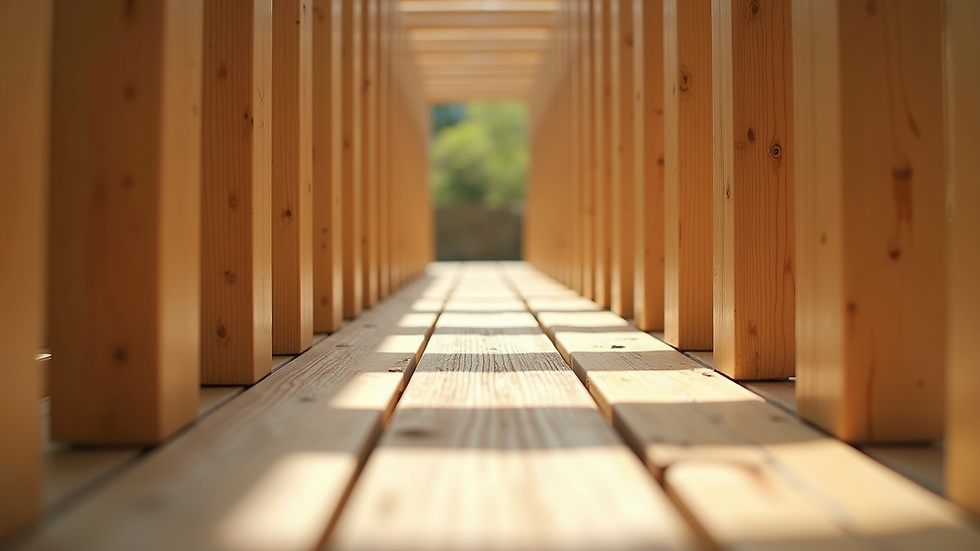
The selection of materials is crucial in sustainable construction strategies. Traditional materials like concrete and steel have high environmental impacts due to their carbon-intensive production processes. For instance, concrete alone accounts for about 8% of global CO2 emissions. In contrast, alternative options such as bamboo, recycled steel, and reclaimed wood can drastically reduce a building’s environmental footprint.
Sustainable materials are often procured locally, which diminishes transportation emissions and bolsters local economies. Moreover, many of these materials are long-lasting and require less maintenance, making them viable choices in sustainable architecture.
As awareness of sustainable materials increases, construction professionals are encouraged to make educated choices that contribute to greener practices. Collaboration among stakeholders to identify and adopt eco-friendly alternatives is essential for effective construction strategies.
Water Conservation and Management
Water stands as a fundamental yet often neglected resource in construction practices. Sustainable strategies focus on conserving water by integrating systems that reduce usage and manage stormwater effectively.
Techniques such as rainwater harvesting, greywater recycling, and installing low-flow fixtures can dramatically cut water consumption in buildings. For instance, implementing rainwater harvesting systems can yield an annual cost savings of about $500 per household. Additionally, designing landscapes that require minimal irrigation can play a significant role in conserving water resources.
Adopting these comprehensive water management strategies not only conserves natural resources but also safeguards ecosystems, enhancing community resilience against water scarcity issues—factors that are increasingly essential in regions facing prolonged droughts.
The Role of Green Certifications
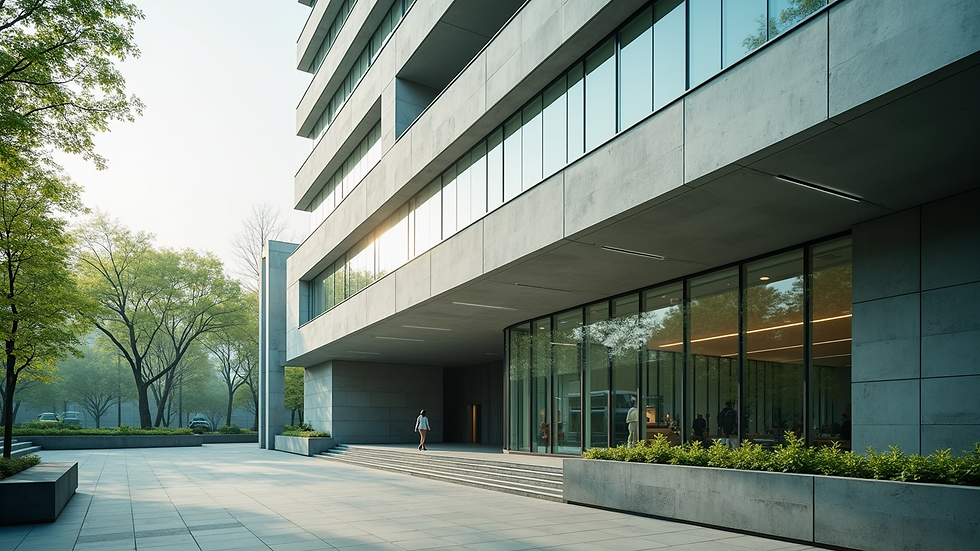
Green certification programs serve as powerful tools to promote sustainability in construction. Certification bodies like LEED (Leadership in Energy and Environmental Design) and BREEAM (Building Research Establishment Environmental Assessment Method) offer frameworks that recognize and evaluate sustainable building practices.
Earning certification reflects a dedication to sustainability and can increase a building’s market value. For example, buildings with LEED certification report energy savings of around 30% compared to non-certified structures. Additionally, certifications provide transparency for buyers or tenants who want to understand energy performance ratings and environmental impacts.
These programs not only motivate construction firms to adopt best practices but also foster a culture of environmental stewardship across the industry.
The Economic Advantages of Sustainable Construction
While some may perceive the initial investment required for sustainable construction practices as high, the long-term financial returns are significant. Energy-efficient buildings can often reduce operating costs by as much as 50%, primarily due to lower utility bills.
Moreover, the rising demand for sustainable options can lead to increased property values. Research shows that properties with high energy efficiency ratings achieve up to 20% higher market values compared to traditional buildings. Many governments and local entities also offer incentives or grants for sustainable construction, easing the financial burden.
The benefits of sustainable construction extend beyond individual projects; they can create entire market opportunities. Emerging sectors in green technology, sustainable design, and innovative construction methods bring new job possibilities, demonstrating the broader economic impact of sustainability in construction.
The Future of Construction: Embracing Sustainability
The transition toward sustainability in modern construction is a response to not just regulatory requirements but to an increased commitment to environmental responsibility. By integrating sustainable strategies, the construction industry can significantly reduce its ecological footprint, while enhancing economic viability and improving community well-being.
As technology advances and awareness rises, it is vital for construction professionals to adapt to these changes. The potential of sustainability in construction is immense. It can not only revolutionize how we build but also foster a more environmentally conscious world for future generations.
Embracing sustainability is more than a trend; it is a commitment to responsible development, preserving our planet, and ensuring that future generations inherit a legacy of resilience and innovation in the built environment.


Comments